
Europe’s Drone Wake-Up Call: From Airspace Violations to Industrial Scale-Up
On Friday, 28 November, senior leaders from across the European defence ecosystem convened in Brussels for a high-level discussion that underscored a growing reality: Europe’s airspace is no longer a theoretical domain of risk, but an active front of strategic competition.
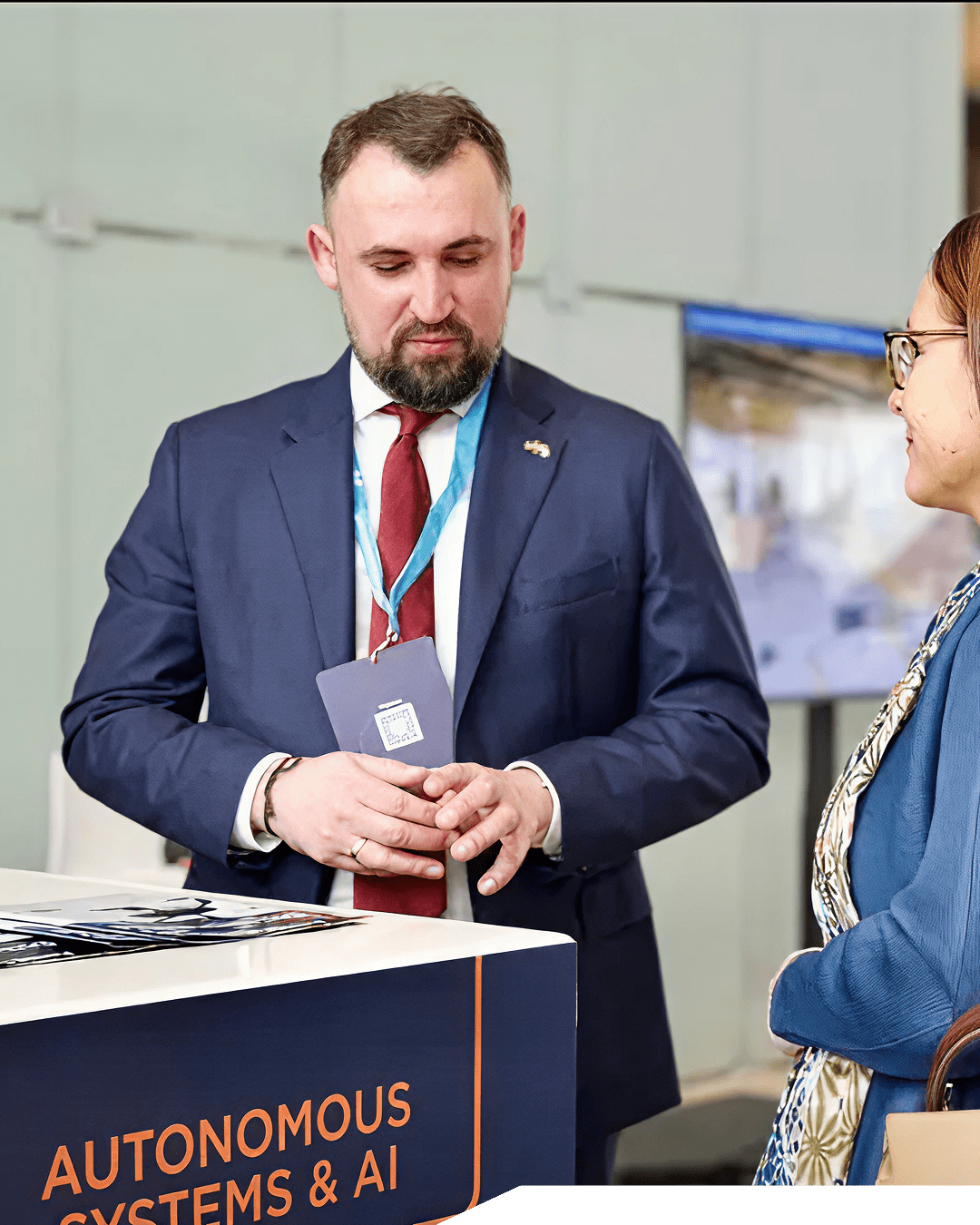
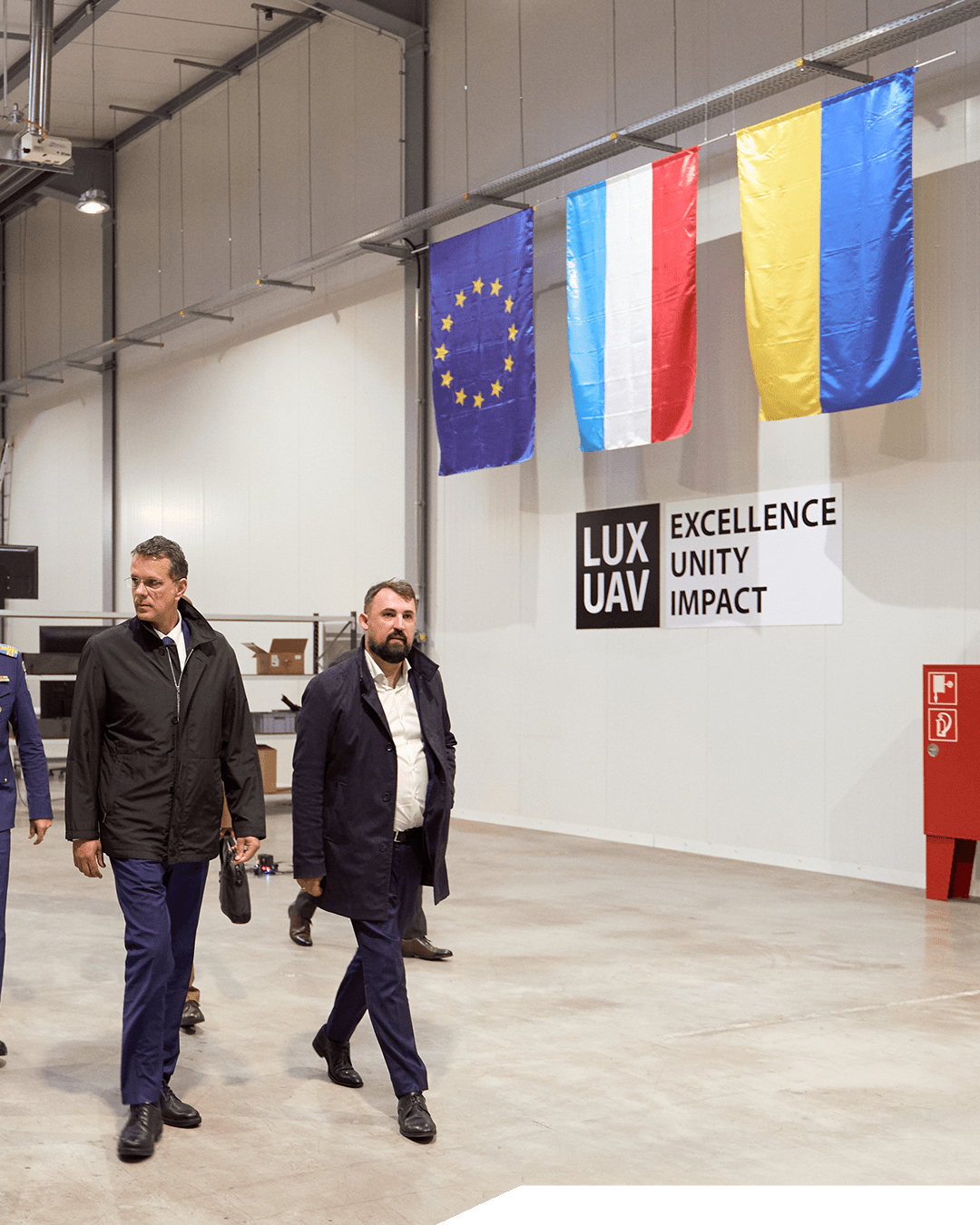
Among the participants was Nicolas Zharov, CEO of LUXUAV, joining representatives from established defence players, emerging technology companies, and partners from Ukraine. The meeting was led by Andrius Kubilius, focusing squarely on Europe’s drone and counter-drone capabilities in light of recent EU airspace violations.
What emerged from this gathering was not just concern — but clear political intent, industrial alignment, and a roadmap for action.
A Shifting Threat Landscape Above Europe
Recent incidents involving unauthorized drones and airspace violations have highlighted a critical vulnerability:
low-cost, rapidly deployable unmanned systems can challenge even sophisticated air defence architectures.
Unlike traditional aerial threats, drones:
- Are cheap and scalable
- Can be rapidly iterated and deployed
- Blur the line between civilian and military use
- Require integrated detection, tracking, and neutralization systems
This reality has accelerated policy discussions at the European level, moving drones and counter-UAS systems from niche capability debates to core elements of continental security planning.
DG DEFIS Launches the EU Defence Innovation Scale-Up
A key outcome of the day was the official launch of the EUDIS Tech Alliances by the European Commission’s DG DEFIS.
The initiative forms a central pillar of the EU Defence Industry Transformation Roadmap and is designed to address one of Europe’s longstanding challenges:
how to move promising defence innovation from prototype to scalable, deployable capability.
What the EUDIS Tech Alliances Aim to Do
- Connect EU Member States with emerging defence innovators
- Reduce fragmentation between national defence ecosystems
- Accelerate procurement pathways for critical technologies
- Enable faster industrial scale-up across borders
In practice, this marks a shift away from isolated national programs toward pan-European capability building, particularly in fast-moving domains such as drones, autonomy, sensing, and counter-drone systems.
Defence Industry Roundtable: Europe and Ukraine in One Room
Running in parallel, the Defence Industry Roundtable brought together more than 40 companies from the EU and Ukraine.
The focus was pragmatic and forward-looking:
- Strengthening EU defence readiness
- Accelerating industrial production capacity
- Integrating advanced drone and counter-drone technologies
- Aligning industry efforts with real-world operational requirements
These discussions directly support the objectives of the Defence Readiness Roadmap 2030, which calls for Europe to be capable of responding faster, producing more, and relying less on external suppliers.
The presence of Ukrainian companies added critical operational perspective — grounded in live battlefield experience — reinforcing the need for systems that are not only innovative, but robust, repairable, and deployable at scale.
From Innovation to Durability
One theme cut across all sessions: innovation alone is not enough.
Europe’s defence posture must be built on technologies that are:
- Innovative — to stay ahead of evolving threats
- Reliable — to function under real operational stress
- Durable — to sustain long-term security, not short-term demos
This requires close collaboration between policymakers, armed forces, and industry — especially SMEs and scale-ups that are often the source of breakthrough drone and counter-drone technologies but lack access to structured defence markets.
A Strategic Moment for Europe
The 28 November meetings signal a broader inflection point. Europe is moving from reactive concern to coordinated action in the unmanned and counter-unmanned domain.
With initiatives like the EUDIS Tech Alliances and renewed industrial cooperation across the EU and Ukraine, the foundation is being laid for a defence ecosystem that can:
- Respond quickly to emerging threats
- Scale production when it matters
- Preserve technological sovereignty
As discussions in Brussels made clear, Europe’s protection will depend on its ability to translate innovation into dependable, deployable capability.
The challenge is no longer identifying what needs to be done —
it is executing at speed, together.